
Discover the expert strategies to alleviate your cat’s stress and anxiety during veterinary visits in our insightful guide, ‘Cat Vet Secrets: How to Keep Your Cat Calm During Checkups.’
Gain valuable insights into understanding feline anxiety veterinary hospital, creating a soothing environment, and implementing positive reinforcement techniques.
Empower yourself to collaborate effectively with your vet for a smoother and more relaxed checkup experience for your beloved feline companion.
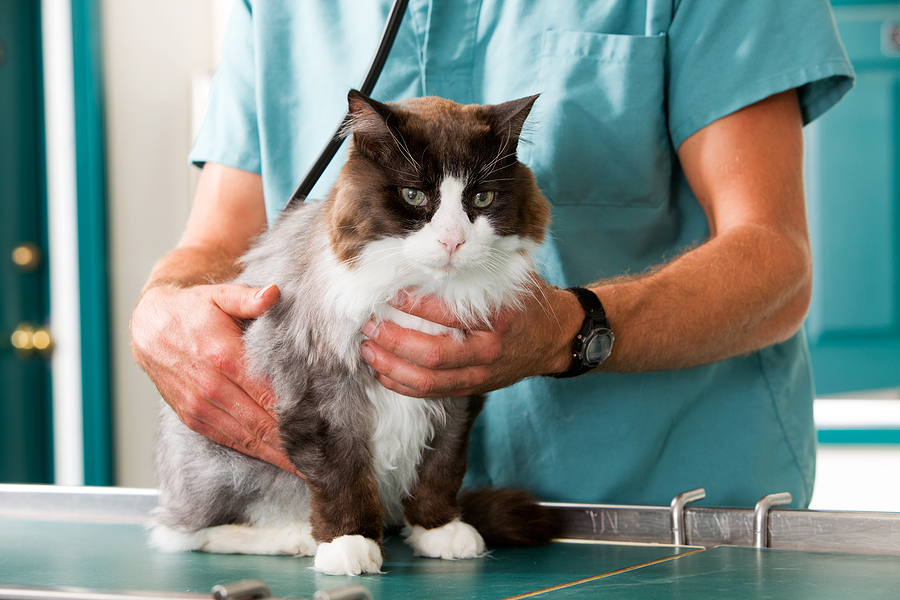
Understanding Cat Anxiety
While cats may display various behaviors when experiencing anxiety, it is crucial for cat owners to understand the underlying causes and signs of feline stress.
Cats can exhibit signs of anxiety through excessive grooming, hiding, aggression, or changes in appetite. Environmental factors such as new surroundings, loud noises, or unfamiliar people can trigger anxiety in cats. Additionally, medical conditions, past trauma, or changes in routine can also contribute to feline stress.
Recognizing these signs early on can help cat owners address the root cause of anxiety and provide appropriate support to their feline companions. By understanding the triggers and symptoms of cat anxiety, owners can create a safe and calming environment that promotes their cat’s overall well-being and happiness.
Creating a Comforting Environment
Understanding cat anxiety is essential for creating a comforting environment during checkups.
To ensure your feline friend feels at ease, start by minimizing loud noises and bright lights in the waiting area. Utilize calming pheromone sprays or diffusers to help reduce stress levels.
Once in the examination room, place a soft blanket or towel in the carrier to provide a familiar scent and comfortable surface. Maintain a quiet and gentle demeanor to reassure your cat throughout the visit.
Additionally, consider bringing along their favorite toy or treat to offer a positive distraction.
Familiarizing Your Cat With the Carrier
To ease your cat’s anxiety during checkups, introduce the carrier gradually to familiarize your feline friend with its presence and make it a comfortable space. Start by leaving the carrier open in a familiar area of your home with a soft blanket inside. Place treats, toys, or even some catnip around and inside the carrier to entice your cat to explore it willingly.
Encourage your cat to enter the carrier voluntarily by using positive reinforcement, such as praise or treats, when they interact with it. Gradually increase the time your cat spends inside the carrier, making sure to associate it with positive experiences. This gradual approach can help your cat see the carrier as a safe and familiar space, reducing stress during vet visits.
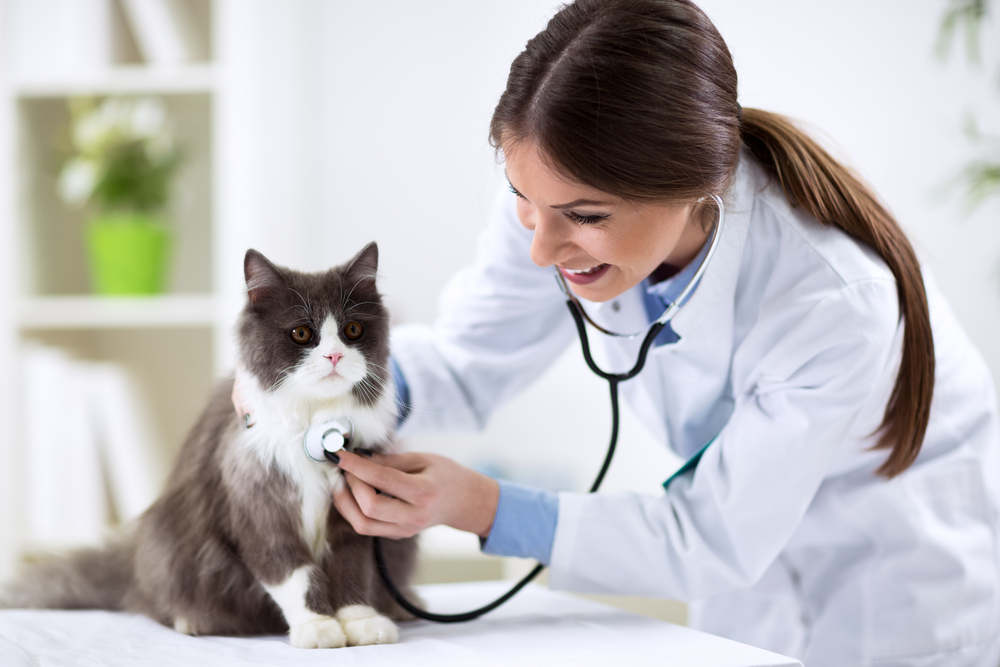
Positive Reinforcement Techniques
Implementing positive reinforcement techniques can help create a calm and cooperative experience for your cat during vet checkups. Rewarding your cat with treats, praise, or playtime for good behavior can help associate the vet visit with positive outcomes.
Start by acclimating your cat to being handled gently at home, rewarding them whenever they remain calm. During the vet visit, offer treats or toys to distract and reward your cat for staying calm during the examination.
Positive reinforcement can help your cat feel more comfortable in unfamiliar situations, reducing anxiety and stress. By using rewards and praise, you can build trust with your cat and make vet visits a more pleasant experience for both you and your feline companion.
Collaborating With Your Vet
The collaboration between cat owners and their veterinarian is essential for ensuring the well-being and health of feline companions. Establishing open communication with your vet is crucial in creating a positive and effective healthcare plan for your cat.
Share any observations or concerns you have about your cat’s behavior or health, as these details can provide valuable insights for the vet. Be proactive in scheduling regular checkups and follow-up appointments to monitor your cat’s progress and address any issues promptly.
Additionally, ask questions about your cat’s care, treatment options, and potential side effects to make informed decisions together with your vet. By working together closely with your veterinarian, you can ensure the best possible care for your beloved feline friend.
Conclusion
In conclusion, it is important to understand and address cat anxiety during vet checkups. This can be achieved by creating a comforting environment, familiarizing the cat with the carrier, using positive reinforcement techniques, and collaborating with the vet. By taking these steps, cat owners can help reduce their cat’s stress and make the vet visit a more positive experience for both the cat and the veterinarian.